Boengah: A Handwritten Font That Elevates Campaign Visuals
Choosing the Right Typeface for a Product Launch Series
I was finalizing a four-part Instagram carousel for a new herbal tea line when I opened the design file. The visuals were soft, organic, and warm—but the typography felt flat. I needed a font that could carry the brand’s personality without overpowering the imagery. That’s when I tried Boengah.
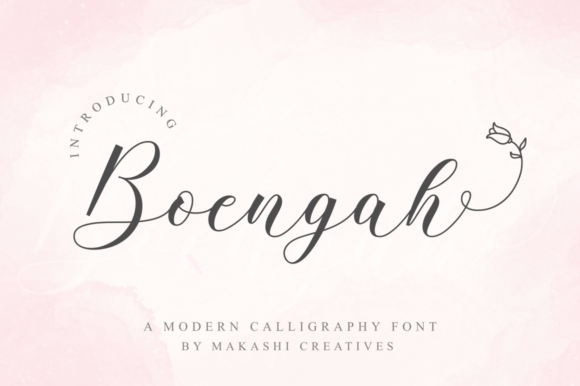
Boengah is a flowing, elegant handwritten font that immediately added a personal touch to the teas’ origin stories and flavor profiles. Its natural rhythm and subtle swashes made each slide feel more human and less designed. I used it for headline text and key callouts, pairing it with a clean sans serif for body copy. The contrast worked beautifully, both visually and emotionally.
Performance Across Digital Formats
One of the first places I tested Boengah was in a YouTube thumbnail set for a brand’s seasonal wellness course. The thumbnails needed to stand out in a feed of bold, all-caps titles and high-contrast visuals. I used Boengah in a light pink overlay on a dark background for the course name. It read clearly at a medium size and gave the thumbnails a distinctive, artistic edge.
For a Pinterest campaign promoting an online calligraphy workshop, Boengah shined. The font’s natural flow and expressive strokes matched the aesthetic of the platform’s audience, which leans toward lifestyle, design, and creative learning. I used it as the main title text over a watercolor-style background. It looked elegant and approachable—perfect for attracting clicks without shouting for attention.
Readability and Real-World Use
Boengah works best as a display font. It’s not ideal for long paragraphs or body text, especially on mobile. But for short, high-impact messages—like a course title, product name, or quote overlay—it performs well. On Instagram Stories, where text often needs to be read in under three seconds, Boengah holds its own when used at a reasonable size and with good spacing.
I noticed that on dark backgrounds, especially with a semi-transparent overlay, Boengah’s delicate strokes can get lost if not paired with a contrasting color or stroke effect. I found that using a subtle white outline or a light drop shadow helped the text pop without looking forced. For fast-scrolling feeds like TikTok or Reels covers, I kept the text minimal and centered, using Boengah for a single word or phrase rather than full sentences.
When Boengah Isn’t the Best Fit
During a recent email campaign for a productivity tool, I tried using Boengah for a hero header. The font looked great in the design mockup, but once viewed on mobile email clients, the text became difficult to read, especially over a textured background. That’s when I realized Boengah isn’t the best choice for small text or environments with low contrast.
It also doesn’t work well for formal or corporate branding. When I tested it for a B2B webinar banner, the tone felt mismatched. Boengah carries a warm, expressive personality that’s better suited for lifestyle, wellness, creative industries, and boutique brands. If your campaign needs a more structured or professional tone, this font may not be the right fit.
Pairing and Practicality
One of the strengths of Boengah is how well it pairs with other typefaces. In a recent brand identity project for a small candle company, I combined Boengah with a soft serif for subheadings and a modern sans serif for product descriptions. The result was a layered, cohesive visual system that felt both curated and professional.
The font is PUA encoded, which made accessing ligatures and alternate characters much easier in design tools like Adobe Illustrator and Figma. This was especially useful when designing logo-style text for a brand’s social media handles and story highlights. I also appreciated the multilingual support, which ensured the font could be used across a global campaign without missing glyphs.
Before using Boengah in client work, I double-checked the commercial licensing terms. It’s important to confirm that the font can be used in ads, branded templates, merchandise, and digital products—especially when designing for resale or third-party clients. The clarity of the license made it easier to recommend to a team launching a Shopify store and branded content pack.